


-

Add: HeBei ShengShi HongBang Cellulose Technology CO.,LTD.
-

Email
13180486930@163.com -

CONTACT US
+86 13180486930



Introduction to Hydroxypropyl Methyl Cellulose (HPMC) In the intricate landscape of industrial chemistry, Hydroxypropyl Methyl Cellulose HPMC stands out as a versatile, non-ionic cellulose ether with widespread application across numerous sectors. Derived from natural cellulose, this polymer is engineered through a sophisticated chemical modification process to impart unique properties, making it indispensable in modern formulations. Its utility spans from enhancing rheology and water retention in construction materials to serving as an excipient and binder in pharmaceuticals, and as a thickener and stabilizer in food products. This comprehensive article delves into the technical aspects, market trends, and practical applications of HPMC, providing essential insights for B2B decision-makers and technical professionals. We aim to elucidate its manufacturing intricacies, technical advantages, and market-leading solutions, underscoring its pivotal role in driving product performance and innovation. Understanding Hydroxypropyl Methyl Cellulose HPMC: Definition and Properties Hydroxypropyl Methyl Cellulose HPMC is a semi-synthetic, viscoelastic polymer, a methylcellulose derivative where some of the hydroxyl groups in the cellulose chain are substituted with methoxy and hydroxypropyl groups. This dual substitution gives HPMC its distinctive characteristics, including excellent water retention capacity, thickening ability, film-forming properties, and thermal gelation. It is typically supplied as a white to off-white, odorless, tasteless powder, soluble in cold water to form a transparent or slightly hazy solution. The degree of substitution (DS) of methoxy groups and the molar substitution (MS) of hydroxypropyl groups significantly influence its properties, such as viscosity, gelation temperature, and solubility, allowing for a wide range of tailored applications. Its non-ionic nature means it is stable over a wide pH range and compatible with many other ingredients, making it ideal for complex formulations. HPMC is also physiologically inert, biodegradable, and generally recognized as safe (GRAS) for specific applications in food and pharmaceuticals, provided it meets the stringent purity and regulatory standards of bodies like the FDA and European Pharmacopoeia. This combination of physical and chemical properties makes it a highly sought-after additive for improving product quality and performance across diverse industries. Manufacturing Process of Hydroxypropyl Methyl Cellulose HPMC The production of Hydroxypropyl Methyl Cellulose HPMC is a sophisticated chemical engineering process that transforms natural cellulose into a highly functional polymer. The process begins with high-purity refined cellulose, typically derived from wood pulp or cotton linters. The overall methodology is designed to control the degree and uniformity of substitution, which are critical for the final product's performance. Key Steps in the HPMC Manufacturing Process: Alkalization: The purified cellulose is first treated with a concentrated caustic soda (sodium hydroxide) solution. This step, known as mercerization or alkalization, swells the cellulose fibers, making the hydroxyl groups more accessible for subsequent etherification reactions. This process is typically carried out in a jacketed reactor at controlled temperatures. Etherification: The alkali cellulose is then reacted with methyl chloride and propylene oxide in a pressure reactor. Methyl chloride introduces methoxy groups, and propylene oxide introduces hydroxypropyl groups onto the cellulose backbone. The ratios of these etherifying agents, along with reaction time and temperature, are carefully controlled to achieve the desired degree of substitution (DS) and molar substitution (MS), which dictate the final HPMC properties such as viscosity and gelation temperature. Neutralization and Washing: After the etherification reaction is complete, the crude HPMC is neutralized to remove excess alkali. It is then thoroughly washed with hot deionized water to remove any by-products (e.g., sodium chloride, glycols) and unreacted reagents. This washing step is crucial for achieving high purity and low ash content, which are essential for many applications, especially in food and pharmaceuticals. Drying and Grinding: The purified HPMC is then dried to a specific moisture content. This is typically done using fluid bed dryers or flash dryers. Following drying, the material is ground to a fine powder using pulverizers or hammer mills, and then sieved to achieve the desired particle size distribution. Particle size uniformity is important for consistent dissolution rates and performance in end-use applications. Quality Control and Packaging: Throughout the entire process, rigorous quality control checks are performed. This includes testing raw materials, in-process samples, and the final product against internal specifications and international standards such as ISO 9001, ASTM, and potentially pharmaceutical monographs like USP or EP. Parameters like viscosity, moisture content, ash content, particle size, and degree of substitution are meticulously monitored. Once approved, the HPMC is packaged in moisture-proof bags or containers, ready for distribution. Unlike processes like casting or CNC machining found in metallurgy, HPMC manufacturing is a chemical synthesis, focusing on precise control of molecular reactions and purification. Target industries for HPMC applications include construction, pharmaceuticals, food & beverage, and personal care. Its excellent water retention and rheology modification offer advantages like enhanced energy saving in insulation materials and improved corrosion resistance for coatings by creating a protective film. Fig 1: Schematic representation of the Hydroxypropyl Methyl Cellulose HPMC production process. Key Industry Trends in Hydroxypropyl Methyl Cellulose HPMC Application The global market for Hydroxypropyl Methyl Cellulose HPMC is experiencing robust growth, driven by several overarching industry trends. The construction sector remains the largest consumer, fueled by increasing urbanization, infrastructure development, and a growing emphasis on high-performance building materials. Sustainable Building Practices: There is a significant push towards eco-friendly and sustainable construction. HPMC contributes to this by improving the workability and durability of cementitious materials, reducing waste, and enabling the use of resource-efficient dry-mix mortars. Its role in improving energy efficiency through better insulation materials is also gaining traction. Demand for High-Performance Materials: Modern construction demands materials with extended open time, improved adhesion, reduced slump, and crack resistance. HPMC is crucial for formulating advanced tile adhesives, self-leveling compounds, renders, and plasters that meet these stringent requirements. The global dry-mix mortar market, in particular, is projected to grow significantly, directly boosting HPMC demand. Pharmaceutical and Nutraceutical Growth: The expanding pharmaceutical sector, driven by an aging global population and increased healthcare spending, is a major growth driver. HPMC is widely used as a binder, disintegrant, film-forming agent for tablet coatings, and a matrix former for controlled-release formulations. The burgeoning nutraceutical market also utilizes HPMC for vegetarian capsules and functional food additives. Food and Beverage Innovation: As consumers demand healthier and more natural food products, HPMC finds increasing use as a thickener, stabilizer, emulsifier, and fat replacer in various food applications, including dairy, baked goods, sauces, and meat alternatives. Its plant-based origin aligns with vegetarian and vegan dietary trends. Personal Care and Cosmetics: HPMC's rheology-modifying and film-forming properties make it valuable in personal care products like shampoos, conditioners, lotions, and detergents. The trend towards natural and mild ingredients further supports its adoption in this sector. According to recent market analysis, the global HPMC market size was valued at USD 4.8 billion in 2022 and is expected to reach USD 7.5 billion by 2030, growing at a CAGR of 5.7% from 2023 to 2030 (Grand View Research). This sustained growth underscores the material's critical importance and adaptability across various industrial applications. Technical Specifications and Performance Parameters The performance of Hydroxypropyl Methyl Cellulose HPMC in any application is directly correlated with its specific technical parameters. Understanding these specifications is paramount for selecting the appropriate grade for a given formulation and ensuring optimal performance. Key parameters include viscosity, degree of substitution (DS), molar substitution (MS), particle size, moisture content, and gelation temperature. Typical HPMC Product Specifications: Parameter Standard Value/Range Methodology/Comments Viscosity (2% Solution @ 20°C) 5 - 200,000 mPa.s (cP) Brookfield Viscometer, varies by grade (e.g., K4M, K100M) Methoxy Content 19.0 - 30.0% Influences thermal gelation and solubility Hydroxypropoxy Content 4.0 - 12.0% Higher values increase solubility and flexibility Moisture Content ≤ 5.0% Karl Fischer method, critical for storage stability Ash Content (Sulphated) ≤ 1.0% (Pharma Grade ≤ 0.5%) Indicates purity, determined by gravimetric analysis pH (1% Solution) 5.0 - 8.0 Stable over a wide pH range, non-ionic Particle Size ≥ 98% pass 100 mesh (150 μm) Crucial for dissolution rate and homogeneity in dry mixes Gelation Temperature 60 - 90°C (approx.) Thermally reversible gelation, dependent on substitution pattern These specifications are typically tested according to international standards such as ISO, ASTM, and specific industry norms like those set by the USP (United States Pharmacopeia) or EP (European Pharmacopoeia) for pharmaceutical grades. Adherence to these standards ensures batch-to-batch consistency and reliable performance, which is paramount for critical applications. Fig 2: A visual representation of HPMC's rheological properties, critical for its industrial applications. Diverse Application Scenarios of Hydroxypropyl Methyl Cellulose HPMC The unparalleled versatility of Hydroxypropyl Methyl Cellulose HPMC enables its deployment across an extensive range of industrial sectors, each leveraging its unique functional properties to enhance product performance and efficiency. Construction Industry: Dry Mix Mortars: HPMC is an essential additive in tile adhesives, wall putty, skim coats, renders, and self-leveling compounds. It significantly improves water retention, preventing premature drying of the mortar, extending open time, and enhancing adhesion strength. It also acts as a thickener and rheology modifier, improving workability, slump resistance, and anti-sag properties. This translates to higher application efficiency and superior finished product quality, critical for target industries like civil engineering and building construction. Gypsum Products: In gypsum-based plasters and joint compounds, HPMC provides excellent water retention and thickening, crucial for achieving smooth finishes and extended workability. External Thermal Insulation Composite Systems (ETICS/EIFS): It enhances the adhesion and cohesion of insulating mortars, improving overall system durability and energy saving performance. Pharmaceutical Industry: Tablet Binders and Coatings: HPMC serves as a highly effective binder for tablet granulation, providing mechanical strength and preventing friability. Its film-forming capabilities make it an ideal coating material for tablets and capsules, protecting active ingredients, masking taste, and enabling enteric or controlled-release formulations. Controlled Release Systems: In matrix tablets, HPMC forms a hydrophilic gel layer upon contact with aqueous fluids, which controls the diffusion of the drug, ensuring a sustained release profile over extended periods. This contributes to improved patient compliance and therapeutic efficacy. Ophthalmic Preparations: Its mucoadhesive properties and clarity make it suitable for eye drops, enhancing drug residence time on the ocular surface. Food Industry: Thickener and Stabilizer: In sauces, dressings, and dairy products, HPMC provides desired texture and viscosity, preventing phase separation and improving shelf life. Fat Replacer: Its gelation properties allow it to mimic the mouthfeel of fat in low-fat food products, without adding calories. Gluten-Free Baking: HPMC improves the texture and elasticity of gluten-free baked goods, compensating for the lack of gluten structure. Other Industrial Applications: Personal Care & Cosmetics: Used as a thickener, emulsifier, and film former in shampoos, lotions, creams, and toothpastes. Detergents and Household Cleaners: Provides thickening and stability to liquid formulations. Paints and Coatings: Acts as a thickener and protective colloid, improving pigment suspension, leveling, and flow properties. Fig 3: HPMC enhances workability and performance in various construction materials. Technical Advantages of Hydroxypropyl Methyl Cellulose HPMC The widespread adoption of Hydroxypropyl Methyl Cellulose HPMC across diverse industries is fundamentally attributed to its superior technical advantages, which translate into tangible benefits for end-products and processes. The expected service life of products incorporating HPMC often sees significant improvements due to these enhanced properties. Exceptional Water Retention: HPMC significantly improves the water retention capacity of formulations, particularly in cement and gypsum-based materials. This prevents premature dehydration, ensuring adequate hydration for strength development in construction materials, and extending open time for application. In pharmaceuticals, it can control moisture uptake and release. Efficient Thickening and Rheology Modification: As a highly efficient thickener, HPMC provides desired viscosity and pseudoplasticity (shear-thinning behavior) to aqueous solutions. This is crucial for controlling flow, preventing sag, and improving the workability of mortars and coatings. It also enhances the stability of emulsions and suspensions. Excellent Film-Forming Properties: HPMC forms strong, flexible, and transparent films. This property is vital for tablet coatings, protective layers in food products, and barrier films in packaging, offering protection against moisture and gases, contributing to enhanced corrosion resistance. Thermal Gelation: A unique property of HPMC is its reversible thermal gelation. Solutions of HPMC increase in viscosity and can form gels upon heating above a certain temperature, and then revert to liquid upon cooling. This is beneficial in food applications for texture control and in certain pharmaceutical processes. Adhesion Promotion: HPMC enhances the adhesion strength of various materials, particularly in construction adhesives and tile grouts, leading to more durable and reliable bonds. Stabilizing and Suspending Agent: Its ability to increase viscosity and act as a protective colloid helps in stabilizing suspensions and emulsions, preventing particle settling or phase separation in a wide array of products. Physiological Inertness and Safety: For pharmaceutical and food-grade HPMC, its non-toxic, non-allergenic, and non-irritating nature, coupled with its GRAS status (for specific grades), makes it a preferred excipient and additive. Enhanced Open Time and Adjustability: In construction, the controlled water retention of HPMC extends the open time of mortars, allowing for easier adjustment of tiles or other building elements, leading to higher quality installations and reduced rework. These advantages are rigorously tested and validated through adherence to industry standards like ISO 9001 for quality management and specific product performance tests (e.g., tensile adhesion strength for tile adhesives, dissolution profiles for pharmaceuticals), ensuring consistent and reliable benefits for end-users. Vendor Comparison and Selection Criteria for Hydroxypropyl Methyl Cellulose HPMC Selecting the right supplier for Hydroxypropyl Methyl Cellulose HPMC is a critical decision for B2B procurement, directly impacting product quality, production efficiency, and overall cost-effectiveness. A comprehensive evaluation involves more than just price; it requires a deep dive into product consistency, technical support, and vendor reliability. Key Criteria for Vendor Evaluation: Product Quality and Consistency: The most crucial factor. Look for suppliers with stringent quality control systems (e.g., ISO 9001 certified), proven batch-to-batch consistency in viscosity, purity, and particle size, which are critical for stable end-product performance. Request Certificates of Analysis (CoA) for multiple batches. Technical Support and R&D Capabilities: A reputable vendor offers robust technical support, including application specialists who can assist with formulation optimization, troubleshooting, and customized solution development. Strong R&D capabilities indicate innovation and a commitment to meeting evolving market needs. Regulatory Compliance and Certifications: For pharmaceutical or food applications, ensure the HPMC meets pharmacopeial standards (USP, EP, JP) and food safety regulations (FDA GRAS, Halal, Kosher). General industry certifications like REACH compliance for European markets are also important. Supply Chain Reliability and Logistics: Evaluate the vendor's ability to ensure consistent supply, lead times, and efficient logistics, especially for large-scale operations. Assess their inventory management and delivery network. Customization Capabilities: Can the vendor tailor HPMC grades to specific requirements, such as unique viscosity ranges, surface treatments for delayed dissolution, or particular substitution patterns? Cost-Effectiveness and Pricing Structure: While not the sole determinant, competitive pricing, transparent cost structures, and potential for long-term supply agreements are important. However, avoid compromising quality for lower prices. Reputation and Experience: Longevity in the market, positive customer feedback, and a strong track record indicate a reliable partner. Inquire about their years of service and key partner clients. Comparative Overview of HPMC Grades (Illustrative): Feature/Grade Construction Grade (e.g., M-series) Pharmaceutical Grade (e.g., K-series) Food Grade (e.g., F-series) Target Viscosity Range (mPa.s) 100 - 200,000 3 - 100,000 15 - 80,000 Purity & Ash Content Industrial Standard (≤ 5%) High Purity (≤ 0.5%), low impurities High Purity (≤ 1.5%), specific food additives Regulatory Compliance ISO, ASTM, Local Building Codes USP, EP, JP, GMP, IPEC FDA GRAS, EU E464, Halal, Kosher Key Application Focus Water retention, workability, adhesion Binding, film-forming, controlled release Thickening, emulsifying, stabilizing, texture Particle Size Coarser to fine (e.g., 80-150 mesh) Fine (e.g., 100-200 mesh) Fine (e.g., 100-200 mesh) By carefully weighing these criteria, businesses can forge strong partnerships with HPMC suppliers who not only provide high-quality materials but also offer the technical and logistical support essential for sustained success. Fig 4: A diverse range of HPMC products tailored for specific industry needs. Customized Solutions and Grades of Hydroxypropyl Methyl Cellulose HPMC Recognizing that standard products may not always meet the unique demands of highly specialized applications, leading manufacturers of Hydroxypropyl Methyl Cellulose HPMC offer customized solutions. This bespoke approach allows clients to optimize their formulations for specific performance requirements, process conditions, and cost considerations. Customization typically involves tailoring key parameters such as: Viscosity Profile: Adjusting the molecular weight and degree of polymerization to achieve a precise viscosity range (e.g., ultra-low for spray applications, ultra-high for specialized thickeners). Substitution Pattern: Modifying the ratio of methoxy to hydroxypropyl groups to influence properties like thermal gelation temperature, solubility in organic solvents, and compatibility with other ingredients. Particle Size Distribution: Fine-tuning particle size for specific dissolution rates (e.g., rapid for instant mixes, controlled for sustained release), dust control, or blending characteristics. Surface-treated grades can also be provided for delayed solubility in water, preventing lump formation. Surface Treatment: Incorporating surface treatments to enhance dispersion in cold water, retard dissolution, or improve compatibility with specific polymers or binders. Purity Levels: Developing ultra-high purity grades for sensitive applications like injectable pharmaceuticals or specific food additives where trace impurities are unacceptable. This collaborative approach involves close consultation between the client's R&D team and the HPMC manufacturer's technical experts. Through pilot batch production and rigorous testing, optimal HPMC grades are developed, ensuring seamless integration into the client's manufacturing processes and superior end-product performance. For instance, in the petrochemical industry, a specialized HPMC might be developed for drilling fluids, requiring unique rheological properties at high temperatures and pressures. Similarly, for advanced metallurgy applications, HPMC might serve as a binder in ceramic molds, where specific thermal stability and residue-free burnout are critical. These bespoke solutions highlight the adaptability and engineering precision available in the modern HPMC market. Application Case Studies: Real-World Impact of Hydroxypropyl Methyl Cellulose HPMC The practical benefits of Hydroxypropyl Methyl Cellulose HPMC are best illustrated through real-world application case studies, demonstrating its capacity to solve complex industrial challenges and enhance product efficacy. Case Study 1: High-Performance Tile Adhesive for Large Format Tiles Challenge: A leading construction chemical manufacturer required a tile adhesive formulation that could support heavy, large-format porcelain tiles without slump or slippage, while offering extended open time and superior adhesion even in humid conditions. Existing formulations suffered from rapid drying and poor initial tack. Solution: They collaborated with an HPMC supplier to develop a specialized HPMC grade with a high viscosity (K200M equivalent) and specific substitution pattern for optimal water retention and rheology. This HPMC was combined with other polymers and cement. Result: The new tile adhesive exhibited a 30% increase in open time, a significant reduction in vertical slip (less than 0.5 mm), and superior tensile adhesion strength (over 1.5 N/mm²) after 28 days of curing, exceeding EN 12004 C2TE standards. This led to a substantial increase in customer satisfaction and market share for high-end tiling projects. Case Study 2: Controlled-Release Pharmaceutical Tablet Challenge: A pharmaceutical company aimed to develop a once-daily, controlled-release formulation for an anti-hypertensive drug to improve patient compliance and reduce side effects associated with peak plasma concentrations. Solution: High-purity, pharmaceutical-grade HPMC (K100M-CR) was chosen as the primary matrix-forming polymer. The specific grade of HPMC, characterized by its molecular weight and degree of substitution, was optimized to create a hydrophilic gel layer that precisely modulated drug release over a 24-hour period. Result: The resulting tablet achieved a stable, zero-order drug release profile in vitro, matching the desired pharmacokinetic parameters. In vivo studies confirmed extended therapeutic efficacy and reduced dosing frequency, leading to successful FDA approval and a significant improvement in patient adherence. Case Study 3: Plant-Based Meat Alternative Formulation Challenge: A food innovation company sought to develop a plant-based burger patty that replicated the texture, mouthfeel, and cooking characteristics of real meat, including forming a "crust" when cooked and maintaining juiciness. Solution: Food-grade HPMC with a specific gelation temperature (F-series) was incorporated into the formulation. Its thermal gelation property provided firmness and structure upon heating, mimicking the protein coagulation in meat, while its water retention capabilities maintained succulence. Result: The HPMC enabled the patty to develop a desirable texture during cooking, preventing crumbling and excessive moisture loss. Sensory evaluation showed a significant improvement in overall likeness to traditional meat products, leading to successful product launch and positive consumer reception in the rapidly expanding plant-based market. These case studies underscore the transformative potential of thoughtfully selected Hydroxypropyl Methyl Cellulose HPMC grades, illustrating how precise material science can drive innovation and create market-leading products across diverse industries. Fig 5: Enhanced performance characteristics of materials utilizing HPMC. Ensuring Trustworthiness: Frequently Asked Questions (FAQs) Common Inquiries Regarding Hydroxypropyl Methyl Cellulose HPMC: Q1: What is the primary difference between HPMC and other cellulose ethers like MC or HEMC? A1: While all are cellulose ethers, Hydroxypropyl Methyl Cellulose HPMC has both hydroxypropyl and methyl groups, giving it unique properties such as a wider thermal gelation range and improved enzyme resistance compared to Methyl Cellulose (MC). Hydroxyethyl Methyl Cellulose (HEMC) substitutes hydroxyethyl groups instead of hydroxypropyl, offering slightly different solubility and rheological profiles. HPMC's balance of properties often makes it the preferred choice for many applications. Q2: Is HPMC safe for use in food and pharmaceutical products? A2: Yes, specific grades of HPMC are widely recognized as safe (GRAS) by regulatory bodies like the FDA for food use and comply with pharmacopeial standards (USP, EP, JP) for pharmaceutical applications. It is non-toxic, non-allergenic, and physiologically inert. Always ensure you are using a certified food or pharmaceutical grade HPMC from a reputable supplier. Q3: How does HPMC improve the workability of construction mortars? A3: Hydroxypropyl Methyl Cellulose HPMC significantly enhances water retention, preventing rapid water loss to porous substrates. This extends the open time and allows for easier adjustment of materials. It also acts as a rheology modifier, improving slump resistance, anti-sag properties, and consistency, making the mortar easier to apply and achieve a smoother finish. Its lubricating effect further aids workability. Q4: What is the typical shelf life of HPMC, and how should it be stored? A4: HPMC generally has a shelf life of 2-3 years when stored correctly. It should be kept in its original, unopened packaging, in a cool, dry place, away from direct sunlight and moisture. High humidity and temperature can lead to caking and a reduction in viscosity over time. Always refer to the manufacturer's specific storage recommendations. Q5: Can HPMC be customized for specific application needs? A5: Absolutely. Reputable manufacturers offer customized grades of HPMC. This includes tailoring viscosity, substitution ratios (methoxy/hydroxypropoxy content), particle size distribution, and surface treatments to meet precise requirements for dissolution rate, thermal gelation, rheology, and compatibility with other formulation components. Collaboration with the supplier's technical team is key to developing optimal bespoke solutions. Logistics and Support: Lead Time, Warranty, and Customer Service Beyond product specifications, the operational aspects of sourcing Hydroxypropyl Methyl Cellulose HPMC are vital for maintaining efficient supply chains and ensuring seamless project execution. A reliable vendor offers not just quality products but also robust logistical and customer support. Lead Time and Fulfillment: Typical lead times for standard HPMC grades can range from 2 to 4 weeks, depending on order volume, specific product grade, and current market demand. For customized grades, lead times may extend to 6-8 weeks, accounting for R&D, pilot production, and extensive quality assurance testing. Efficient fulfillment is supported by a well-managed inventory system and a global logistics network, ensuring timely delivery to diverse geographical locations. Express shipping options are often available for urgent requirements, though additional costs apply. Clients are encouraged to discuss their specific forecasting and delivery schedules to ensure optimal inventory management. Warranty Commitments: Reputable HPMC suppliers provide comprehensive warranty commitments, guaranteeing that products meet the specified technical parameters and quality standards outlined in the Certificate of Analysis (CoA) for a defined period (e.g., 12-24 months from the date of manufacture), provided proper storage conditions are maintained. This warranty typically covers material defects and non-conformance to agreed-upon specifications. In the event of a legitimate claim, vendors offer replacement products or credit, upholding their commitment to product integrity and customer satisfaction. Specific terms and conditions are always detailed in sales agreements. Customer Support and After-Sales Service: Exceptional customer support is a hallmark of a trusted partner. This includes dedicated account managers, readily available technical service teams for troubleshooting and application guidance, and efficient complaint resolution processes. Post-sales support encompasses formulation advice, performance optimization tips, and continuous feedback loops to ensure ongoing product satisfaction. Many suppliers offer online portals for order tracking, technical data sheet access, and direct communication with support specialists, providing comprehensive assistance throughout the product lifecycle. Authoritative References Grand View Research. (2023). Hydroxypropyl Methyl Cellulose Market Size, Share & Trends Analysis Report. Retrieved from grandviewresearch.com United States Pharmacopeia. (2024). Hypromellose Monograph. Retrieved from usp.org European Pharmacopoeia. (2024). Hypromellose. Retrieved from edqm.eu ASTM International. (2024). Standards for Cellulose Ethers. Retrieved from astm.org Food and Drug Administration. (2024). GRAS Notices: Methylcellulose & Hydroxypropyl Methylcellulose. Retrieved from fda.gov
- 40000tons

Production
- 20+years

Experience
- 5000+㎡

Acreage

-
Methyl hydroxyethyl cellulose (MHEC) is a versatile polymer that is widely used across various industries due to its unique properties and applications . Its primary value lies in its ability to modify the rheological properties of solutions, making it an essential component in many products. This article delves into both the technical attributes of MHEC and its practical applications, showcasing its breadth of uses aided by its expert formulation. MHEC is fundamentally designed to enhance product performance by acting as a thickening, water-retaining, and stabilizing agent. One of the standout features of MHEC is its solubility in both cold and hot water, which allows for flexibility in the formulation processes. With advancements in its synthesis, MHEC offers excellent thermal stability, making it indispensable in products exposed to varying temperature conditions. In the construction industry, MHEC plays a critical role, particularly in cement-based products. For tile adhesives, MHEC provides the necessary consistency and adhesion properties that ensure tiles remain affixed to surfaces over time. It enhances workability by improving the open time and reducing sagging, which are crucial for optimal application and end-user satisfaction. Furthermore, MHEC's water retention capability ensures adequate curing, which enhances the strength and longevity of the construction work. Paints and coatings greatly benefit from MHEC due to its ability to improve viscosity and suspension properties. It ensures that pigments and other components are evenly distributed throughout the formulation, preventing settling and ensuring a consistent finish. Additionally, for water-based paints, MHEC acts as a thickener, allowing for smooth application and leveling, critical for achieving high-quality aesthetic results. In the personal care and cosmetics sector, MHEC’s safety profile and non-toxic nature make it an ideal choice for products that require viscosity modification without compromising user safety. It is utilized in creams, lotions, and shampoos to enhance texture and provide a desirable feel upon application, impacting not only the efficacy but also the sensory appeal of beauty products. Consumers trust products that incorporate MHEC due to its ability to create a stable emulsion and maintain product integrity over time. methyl hydroxyethyl cellulose uses For the pharmaceutical industry, MHEC serves as an excipient, providing controlled release properties for tablets and capsules. Its role in regulating viscosity is vital in suspensions and syrups, ensuring the active ingredients are delivered effectively. The precise formulation capabilities of MHEC have been subjected to rigorous testing, validating its benefits in enhancing drug delivery systems. MHEC is also making strides in emerging applications such as bio-composites and sustainable materials. Researchers and experts are continuously exploring its potential in the formation of eco-friendly products, underlining the polymer's adaptability to future demands. From a professional and authoritative perspective, companies leveraging MHEC in their formulations benefit from the empirical research and development that have proven its efficacy across diverse applications. Experts in material science and chemical engineering advocate for its use, recognizing the polymer's ability to provide tailor-made solutions for complex production challenges. Overall, methyl hydroxyethyl cellulose's multifaceted utility, backed by scientific expertise, positions it as a fundamental resource for innovative product development. Its continued research and application reflect its robustness and relevance in industries seeking high-performance and reliable solutions.
-

Rubber powder is a revolutionary material that opens up endless possibilities across various industries. Made from recycled rubber, it is a sustainable solution that can be used in a variety of applications, ranging from manufacturing to construction. Whether you’re working on rubber flooring, asphalt, or other innovative products, rubber powder offers unmatched versatility and environmental benefits. By choosing rubber powder , you not only support eco-friendly practices but also enhance the performance and durability of your projects. Experience the power of rubber powder and make your business more efficient, cost-effective, and sustainable. Explore the Many Rubber Powder Uses for Your Industry The rubber powder uses are vast and diverse, making it an invaluable resource across many sectors. Rubber powder is widely utilized in the construction industry, where it can be mixed into asphalt for roads, creating durable and sound-resistant surfaces. In addition, it’s used in the production of rubber mats, artificial turf, and flooring solutions that provide safety and comfort. The rubber powder uses extend into the automotive industry as well, where it is used in manufacturing tires and various rubber components. By incorporating rubber powder into your products, you can enhance both performance and sustainability. Whether for industrial or consumer goods, the benefits of rubber powder uses are clear. Get the Best Rubber Powder for Sale Looking for high-quality rubber powder for sale ? Our top-grade rubber powder is available in various grades and quantities to meet your specific needs. Whether you need it for small-scale applications or large-scale manufacturing processes, we have the right product for you. Our rubber powder for sale is made from 100% recycled rubber, ensuring it meets industry standards for quality and performance. By purchasing rubber powder for sale from us, you’re investing in a sustainable and cost-effective solution that delivers superior results. Our reliable shipping and competitive prices make it easy to access the rubber powder you need, when you need it. Understand Rubber Powder Price for Your Budget When considering purchasing rubber powder , understanding the rubber powder price is key to managing your budget effectively. The rubber powder price can vary depending on the grade, quantity, and intended use, but we offer competitive pricing to ensure that you get the best value for your investment. Our rubber powder price reflects the quality and sustainability of the material, making it an affordable choice for your business. Whether you're purchasing in bulk or smaller amounts, our transparent pricing ensures that you can make informed decisions while staying within your budget. Get in touch with us today to learn more about rubber powder price and how we can support your projects. Why Choose Us for Your Rubber Powder Needs? We are your trusted partner for all things rubber powder , offering premium products at competitive rubber powder price s. Our rubber powder for sale is made from high-quality recycled materials and is suitable for a wide range of applications, from construction to manufacturing. We are committed to providing you with the best rubber powder uses and ensuring that every product meets the highest industry standards. With our flexible purchasing options and reliable service, you can count on us to deliver the rubber powder you need to take your projects to the next level. Choose us for all your rubber powder requirements and experience the difference in quality, performance, and cost-effectiveness.
advantages
-

200000 Viscosities
Excellent product
We can produce pure products up to 200,000 viscosities
-

40000 tons
High yield
We don’t stop production all year round, and the annual output can reach 40,000 tons
-

24 hours
Quality service
We provide 24-hours online reception service, welcome to consult at any time
———— Inquiry Form
Schedule A services

-
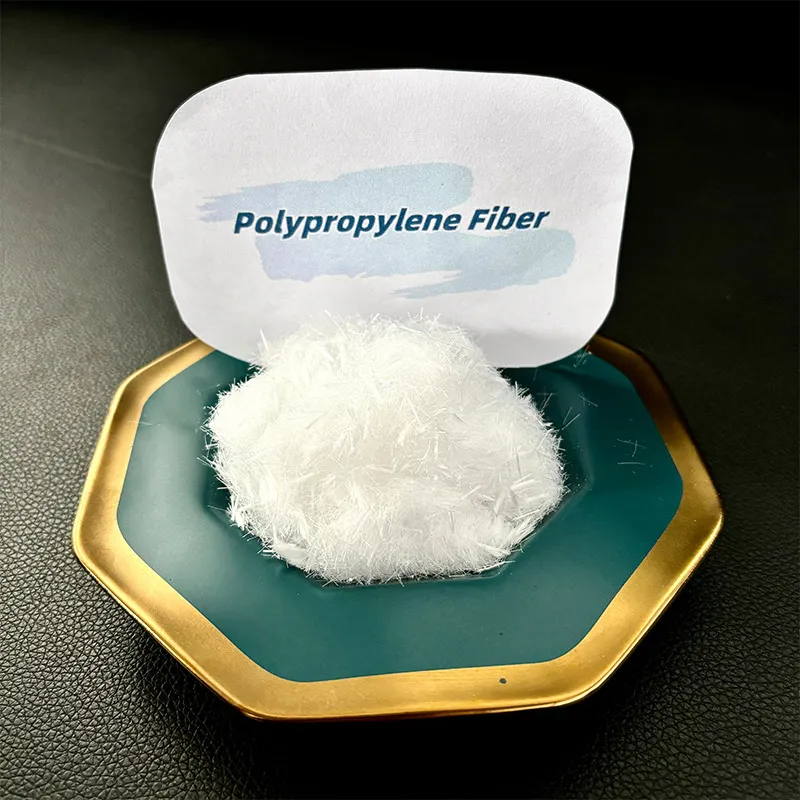
 fiber_polypropen_ni_nini
Oct . 25, 2025
Heat-resistant synthetic fibers have emerged as a game-changer in a variety of industries, from text -
 presyo_ng_polypropylene_fiber
Oct . 25, 2025
Navigating the ever-evolving landscape of recycled rubber powder pricing demands a nuanced understan -
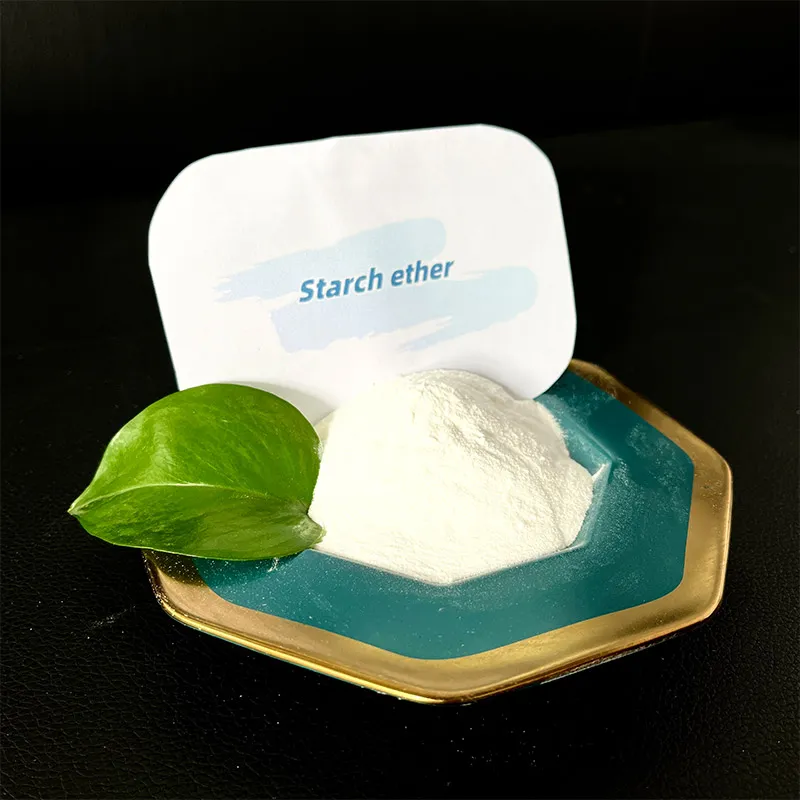
 starch_ether_price
Oct . 25, 2025
Hydroxypropyl methylcellulose (HPMC) E50 is a versatile and highly valued polymer in various industr


